If you’ve ever wondered “why are my contacts blurry?” you’re not alone. With 45 million Americans wearing contact lenses according to the CDC, blurry vision with contacts is one of the most common complaints among lens wearers. Whether you’re experiencing fuzzy contacts, cloudy contact lenses, or sudden blurriness with contacts, this comprehensive guide will help you identify the cause and find the right solution.
Quick Remedies for Blurry Contacts
Before diving into complex causes, try these immediate fixes when your contacts are blurry:
Blinking & Rewetting Drops
The simplest solution is often the most effective. When you notice blurry vision with contacts, try blinking several times deliberately. This natural action redistributes tears across your lens surface and can clear minor debris.
If blinking doesn’t help, use preservative-free rewetting contact solution drops. These drops rehydrate your lenses and wash away particles that might be causing the blur. Apply 1-2 drops directly to each eye, blink gently, and wait a few seconds for clarity to return.
Check Lens Orientation
One of the most overlooked causes of contact blurry in one eye is an inside-out lens. When a contact lens is inverted, it won’t sit properly on your cornea, causing immediate blurriness and discomfort.
To check if your lens is inside-out:
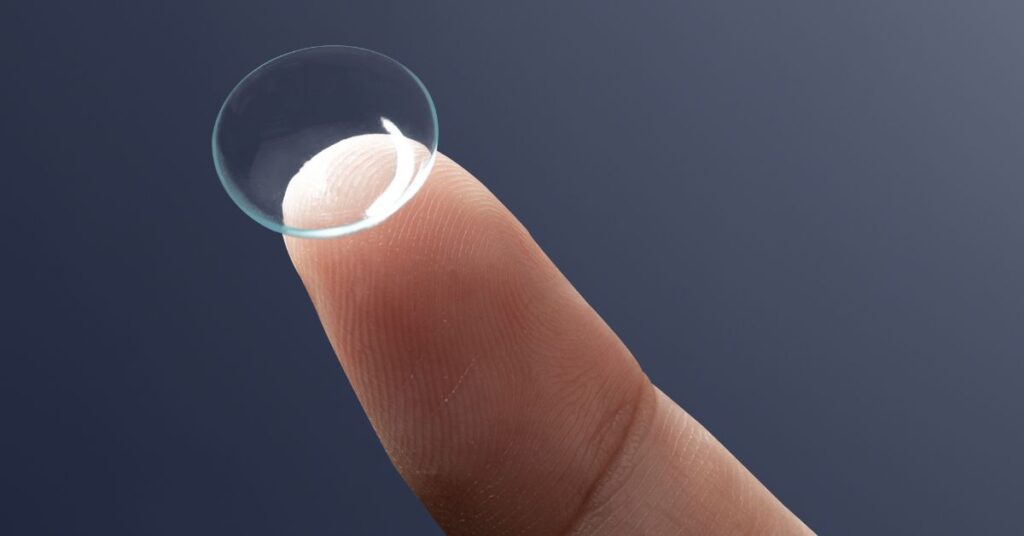
- Place the lens on your fingertip
- Look at the edges – a correct lens forms a bowl shape with edges that curve inward
- An inside-out lens has edges that flare outward like a saucer
If you discover an inverted lens, simply flip it to the correct orientation before reinserting.
Common Causes of Blurry Contacts
Understanding why do my contacts get blurry requires examining several potential culprits. Here are the most frequent causes:
Protein & Lipid Deposits
Your tears contain proteins and lipids that gradually accumulate on contact lenses, creating a hazy film. This buildup is why cleaning contact lenses regularly is crucial for maintaining clear vision.
Protein deposits appear as white, chalky spots on your lenses, while lipid deposits create a greasy film. Both interfere with light transmission, causing cloudy contacts and reduced visual clarity. Daily disposable lenses avoid this issue entirely, while reusable lenses require consistent cleaning to prevent deposit accumulation.
Dryness & Lens Dehydration
Up to 50% of contact lens wearers experience dry eye symptoms, according to research published in Clinical Ophthalmology. When your eyes don’t produce enough tears or tears evaporate too quickly, your lenses become dehydrated.
Dehydrated lenses lose their shape and flexibility, causing distorted vision. Digital eye strain from computer use reduces blink rates by up to 60%, exacerbating dryness and leading to eyes blurry with contacts. This explains why many people experience blurriness with contacts during long screen sessions.
Incorrect or Outdated Prescription
Your vision can change gradually over time, making your current prescription less effective. If you’re experiencing new contact lenses blurry or consistent blur despite proper lens care, your prescription might need updating.
Corneal curvature naturally changes with age, and refractive errors can progress. What worked perfectly six months ago might no longer provide optimal vision correction. Regular eye exams ensure your prescription stays current with your visual needs.
Astigmatism & Toric Lens Rotation
Astigmatism contacts blurry vision often results from lens rotation. Toric lenses designed for astigmatism correction must maintain specific orientation to work effectively. When these specialized lenses rotate out of position, they create immediate blur.
Unlike regular spherical lenses, toric lenses have weighted areas that help them settle in the correct position. However, eye movement, lens fit issues, or improper insertion can cause rotation, leading to contact lens blurry vision that affects daily activities.
Improper Fit & Lens Shift
Contact lenses must match your corneal curvature precisely. When the fit is incorrect, lenses can shift during wear, moving away from the optimal position over your pupil. This movement causes intermittent blur, especially during activities like sports or when looking in different directions.
Poor fit can also cause lens decentration, where the optical zone doesn’t align with your visual axis. This misalignment creates blur similar to looking through the wrong part of eyeglasses.
Dirty or Damaged Lenses
Even microscopic tears or scratches on contact lenses can cause significant visual disturbance. Damage occurs from improper handling, using tap water for cleaning, or normal wear over time.
Debris, makeup particles, or environmental pollutants can also adhere to lenses, creating spots that interfere with vision. This is why proper storage and handling are essential components of contact lens hygiene.
Extended Wear & Sleeping in Contacts
Sleeping in contact lenses reduces corneal oxygen supply by up to 90%, leading to corneal swelling (edema) and haziness. Even lenses approved for overnight wear can cause problems if worn beyond recommended schedules.
Extended wear without proper removal allows deposits to build up and prevents your corneas from receiving adequate oxygen and moisture. This creates an environment where blur, discomfort, and infection risk all increase significantly.
Underlying Eye Conditions
Sometimes, contact lenses blurry vision indicates underlying eye health issues. Conditions like dry eye syndrome, allergic conjunctivitis, or corneal infections can all cause blur that lens cleaning won’t resolve.
Microbial keratitis, though rare, affects approximately 1 in 500 contact lens wearers annually according to CDC data. This serious infection requires immediate medical attention and can permanently affect vision if untreated.
How to Clean and Maintain Your Lenses
Proper lens maintenance is crucial for preventing most causes of blurry contacts. Here’s how to clean contacts effectively:
“Rub and Rinse” Technique
The best way to clean contacts involves the “rub and rinse” method, recommended by eye care professionals:
- Wash your hands thoroughly with soap and dry with a lint-free towel
- Remove one lens and place it in your palm
- Apply 2-3 drops of multipurpose contact lens solution
- Gently rub the lens with your fingertip for 10-15 seconds on each side
- Rinse thoroughly with fresh solution
- Store in clean case with fresh solution
- Repeat for the second lens
This mechanical cleaning removes deposits that solution alone cannot eliminate. Even “no-rub” solutions benefit from gentle rubbing for optimal cleanliness.
Daily vs. Reusable Lens Care
Daily disposable lenses require no cleaning – simply discard after each use. This convenience eliminates the risk of deposit-related blur and reduces infection risk.
For two week contact lenses, monthly contact lenses, or other reusable types:
- Clean after every removal
- Replace solution in your case daily
- Replace your contact lens case every 3 months
- Never use tap water or saliva for cleaning
Proper Storage & Handling
How to properly clean contacts extends beyond the cleaning process itself:
- Always handle lenses with clean, dry hands
- Use only fresh contact lens solution – never “top off” old solution
- Keep lens cases clean and dry when not in use
- Replace cases regularly to prevent bacterial buildup
- Store lenses in appropriate solution overnight
Research shows that 99% of contact lens wearers admit to at least one risky hygiene behavior, according to CDC MMWR data. Following proper protocols significantly reduces your risk of complications.
When to Remove Your Contacts & Seek Professional Help
Remove your contacts immediately if you experience:
- Sudden, severe eye pain
- Intense redness or discharge
- Light sensitivity beyond normal adaptation
- Vision changes that don’t resolve with rewetting drops
- Persistent foreign body sensation
Why is my contact blurry scenarios that require professional evaluation include:
- Blur that persists despite proper cleaning
- One contact is blurry while the other remains clear
- New contacts blurry that don’t improve after the adjustment period
- Recurring infections or irritation
The American Academy of Ophthalmology emphasizes that 90% of contact lens-related infections are linked to water exposure, highlighting the importance of proper hygiene and professional guidance.
Preventing Blurry Vision
Long-term strategies for maintaining clear vision with contacts include:
Regular Eye Exams
Annual eye exams ensure your prescription remains accurate and detect potential problems early. Your eye care provider can identify subtle changes in your vision or eye health that you might not notice.
During these visits, discuss any recurring blur issues. Your optometrist can evaluate your lens fit, assess tear film quality, and recommend appropriate solutions for your specific needs.
Choosing the Right Lens Type
Different lens materials and replacement schedules suit different lifestyles:
- Daily disposables: Best for occasional wear, allergies, or active lifestyles
- Weekly/bi-weekly lenses: Good balance of convenience and cost
- Monthly lenses: Most economical for daily wear
- Specialty lenses: For astigmatism, presbyopia, or other specific needs
Consider switching lens types if you frequently experience blur. Some people find that total contact lenses or other advanced materials provide better comfort and clarity.
Frequently Asked Questions
Why are my contacts blurry on the computer screen?
Digital eye strain reduces blink rates, causing lens dehydration and blur. Take regular breaks following the 20-20-20 rule: every 20 minutes, look at something 20 feet away for 20 seconds. Use preservative-free rewetting drops during extended screen time.
Why is only one contact blurry?
Contact blurry in one eye often indicates an inside-out lens, uneven deposits, or lens damage. Remove and inspect the blurry lens, clean thoroughly, and check orientation before reinserting. If blur persists, the lens may be damaged and need replacement.
Why do my contacts get blurry at the end of the day?
End-of-day blur typically results from lens dehydration, deposit accumulation, or eye fatigue. Consider switching to higher water content lenses, using rewetting drops throughout the day, or reducing wearing time.
Why are my new contacts blurry?
New contact lenses blurry vision can occur during the adjustment period, which typically lasts a few days to a week. However, if blur persists beyond this timeframe, check your prescription accuracy, lens fit, or consider that you might need time to get used to contacts if you’re a first-time wearer.
Conclusion & When to See Your Eye Doctor
Understanding why are my contacts blurry empowers you to address most vision issues quickly and effectively. Simple solutions like rewetting drops, proper cleaning techniques, and checking lens orientation resolve many common problems.
However, persistent blur despite proper care indicates the need for professional evaluation. Your eye care provider can determine whether you need a prescription update, different lens type, or treatment for underlying conditions.
Remember that contact lens wear should enhance your vision and lifestyle, not create ongoing problems. If you’re consistently asking “why does my contact get blurry,” it’s time to consult with your eye care professional for personalized solutions.
Ready to find the perfect contact lenses for crystal-clear vision? Visit Contact Lens Marketplace for a wide selection of daily, weekly, and monthly contact lenses from top brands. Our extensive inventory includes specialty lenses for astigmatism, presbyopia, and sensitive eyes – all at competitive prices with fast, reliable shipping. Start shopping today and experience the difference quality lenses can make!