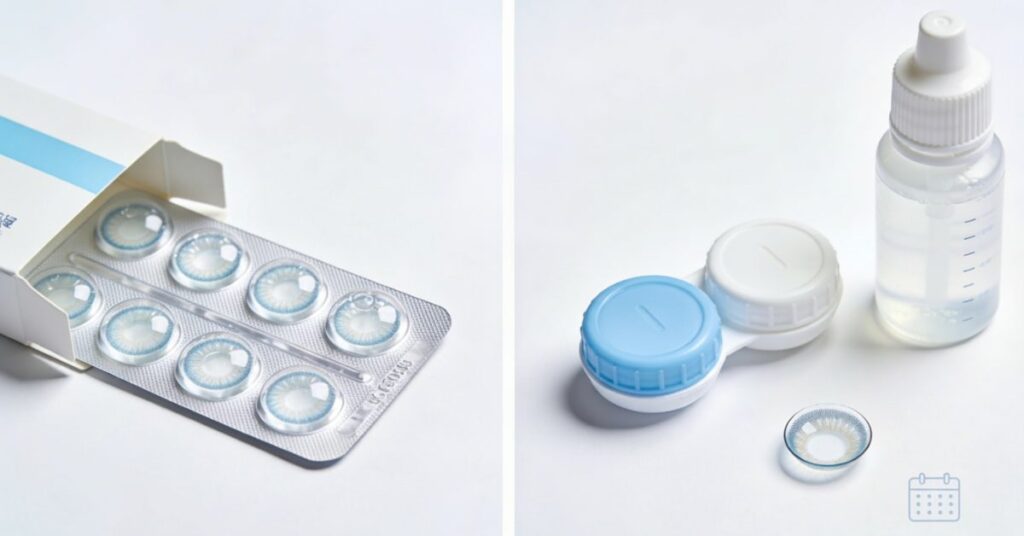
Your eyes are one of the most important — and sensitive — parts of your body. Whether you wear contact lenses, glasses, or enjoy perfect vision, regular eye exams are essential for maintaining clear sight and catching potential problems early. But how often should you actually visit your eye doctor?
Here’s what you need to know.
Why Regular Eye Exams Matter
Many eye conditions develop silently, without noticeable symptoms. An eye doctor can detect early signs of issues like glaucoma, cataracts, macular degeneration, and diabetic eye disease before they affect your vision permanently. Regular check-ups also ensure that your contact lens prescription stays accurate, so you can continue seeing your best.
Plus, your overall health can sometimes be detected through an eye exam. Conditions like diabetes, high blood pressure, and even autoimmune diseases often show early signs in the eyes.
How Often Should You Schedule an Eye Exam?
The frequency of your eye exams depends on your age, vision needs, and overall health:
-
Children (6 months – 18 years):
Children should have their first eye exam at six months, another around age three, and then once before starting school. After that, an annual check-up is recommended. -
Adults (18 – 39 years):
If you have no vision problems, seeing an eye doctor every two years is typically fine. However, if you wear contacts or glasses, an annual exam ensures your prescription stays accurate. -
Adults (40 – 64 years):
Eye health can begin to change in your 40s. At this stage, even if you don’t have vision issues, it’s a good idea to see your eye doctor every 1–2 years. -
Adults (65 years and older):
Aging increases the risk of eye diseases. Seniors should schedule an eye exam every year to monitor for conditions like cataracts, glaucoma, and age-related macular degeneration. -
People with Specific Conditions:
If you have diabetes, high blood pressure, or a family history of eye disease, your doctor may recommend more frequent exams — sometimes annually or even more often.
Signs You Should See an Eye Doctor Sooner
Even if it’s not time for your regular exam, contact your eye care professional if you notice:
-
Eye pain, redness, or discharge
-
Frequent headaches
-
Sudden loss of vision
-
Flashes of light or floaters
-
Difficulty seeing at night
Early attention can prevent small issues from becoming major problems.
Contact Lens Wearers: Stay Ahead of Your Prescription
If you wear contact lenses, it’s especially important to stay updated. Your eyes can change shape over time, affecting how your lenses fit and how clearly you see. Regular exams ensure your contacts remain comfortable, safe, and effective.
At ContactLensMarketplace.com, we recommend uploading your current prescription before ordering to ensure you’re getting the best vision care possible.