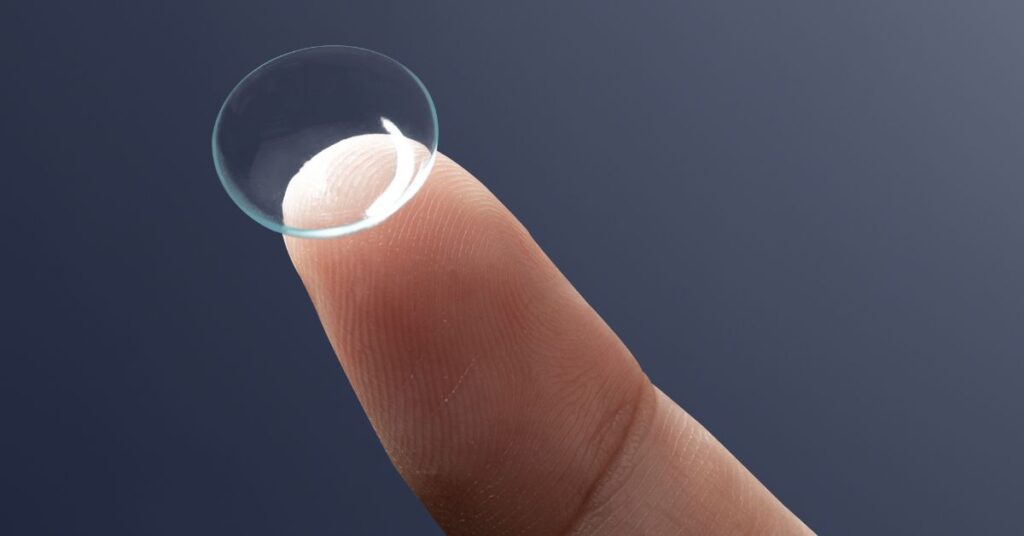
Picture this: you’re away from home, exhausted after a long day, and suddenly realize you’ve forgotten your contact lens case. Your eyes are irritated, and you desperately need to remove your lenses. What do you do? While this scenario might seem alarming, there are safe, temporary solutions that can protect both your vision and eye health.
This comprehensive guide will walk you through expert-approved emergency methods for storing contact lenses without a case, helping you avoid dangerous practices that could lead to serious eye infections or permanent vision damage.
Why Proper Lens Storage Matters
Contact lens storage isn’t just about convenience—it’s a critical aspect of eye health that affects millions of wearers daily. With 45 million Americans using contact lenses, understanding proper storage techniques can prevent serious complications.
Improper contact lens storage poses significant risks to your eye health. When lenses aren’t stored correctly, they become breeding grounds for harmful microorganisms. Statistics reveal that 1 in 500 contact lens wearers develops a serious eye infection annually, with many cases directly linked to poor storage practices. The Centers for Disease Control and Prevention reports that 40-90% of contact lens wearers don’t follow proper care instructions, emphasizing the urgent need for clear emergency guidance.
The most serious risk is Acanthamoeba keratitis, a rare but potentially blinding infection caused by a microscopic organism found in tap water, swimming pools, and other water sources. This infection can result in permanent vision loss and, in severe cases, may require corneal transplantation. Other risks include bacterial contamination, lens dehydration, protein buildup, and corneal ulcers.
Research from the Journal of Ophthalmology & Visual Science shows that 85% of contact lens cases become contaminated after just one month of use, highlighting why emergency storage solutions must be implemented with extreme caution and proper disinfection protocols.
Emergency Alternatives When You Don’t Have a Case
When facing a contact lens case emergency, your priority should be finding the safest temporary storage method while minimizing infection risks. Here are expert-approved alternatives that can serve as a makeshift contact case in urgent situations.
Safe Container Alternatives
The best substitute for a contact lens case is two small, clean glass containers. Shot glasses work exceptionally well because they’re made of non-porous glass, easy to clean thoroughly, and the perfect size for individual lenses. Wash them with hot, soapy water and rinse completely before use.
If glass containers aren’t available, consider these alternatives in order of preference:
New bottle caps from beverages can serve as emergency contact storage containers. Choose caps from bottles you’ve just opened to ensure they’re as clean as possible. Metal caps are preferable to plastic ones due to their non-porous surface. Always use two separate caps—one for each lens—and label them clearly as “L” (left) and “R” (right).
Small zip-seal bags represent a last-resort option for contact lens storage. Use two separate, new bags and ensure they seal completely. While not ideal due to their porous nature, they can work temporarily if properly sealed and filled with the correct solution.
Choosing the Right Solution
Never compromise on the solution you use for emergency contact storage. Only use multi-purpose disinfecting solution specifically designed for contact lenses. This solution contains antimicrobial agents that kill harmful bacteria, viruses, and other microorganisms.
What you should never use as a substitute for contact solution:
- Tap water (contains Acanthamoeba and other harmful organisms)
- Distilled water (can cause lens swelling and microbial growth)
- Saline solution alone (doesn’t disinfect)
- Saliva (contains bacteria and can cause severe infections)
- Eye drops
- Hydrogen peroxide without neutralization
- Homemade solutions
If you don’t have proper contact lens solution, it’s safer to discard your lenses entirely rather than risk a serious eye infection.
Temporary Cover Methods
Creating an effective seal for your makeshift contact case is crucial for preventing contamination and evaporation. Use plastic wrap secured with a rubber band to create an airtight seal over your emergency containers. This prevents the solution from evaporating and keeps contaminants out.
Ensure the plastic wrap doesn’t touch the solution surface, and make sure the seal is tight enough to prevent air exchange but not so tight that it creates pressure that could damage the containers.
Step-by-Step Guide: Storing Contacts Without a Case
Follow these detailed steps to safely store your contact lenses in an emergency situation:
Step 1: Prepare your workspace Find a clean, well-lit area away from bathroom sinks or other potential sources of contamination. Lay out a clean towel or paper towels to create a sterile work surface.
Step 2: Wash your hands thoroughly Use antibacterial soap and warm water, scrubbing for at least 20 seconds. Pay special attention to your fingertips and under your nails. Dry with a clean, lint-free towel or air dry completely.
Step 3: Prepare your containers Clean two small containers thoroughly with hot, soapy water. Rinse completely and allow them to air dry, or dry with a clean, lint-free cloth. Label one container “L” for left eye and one “R” for right eye using a permanent marker or pen.
Step 4: Fill containers with solution Fill each container about three-quarters full with fresh multi-purpose disinfecting solution. Never reuse old solution or mix different types of solutions.
Step 5: Remove your contact lenses Using proper technique, carefully remove each lens and place it immediately into the corresponding labeled container. Avoid touching the lens with your fingernails or the lens surface with your fingertips.
Step 6: Ensure complete submersion Make sure each lens is completely covered by solution. Gently agitate the container to ensure the lens isn’t stuck to the bottom and is freely floating in the solution.
Step 7: Seal the containers Cover each container with plastic wrap and secure tightly with rubber bands. Ensure the seal is airtight but won’t create excessive pressure.
Step 8: Store safely Place the sealed containers in a safe location away from heat, direct sunlight, and potential contamination sources. Avoid bathrooms if possible due to higher bacteria levels.
The “Never Use” List
Understanding what not to use for emergency contact lens storage is just as important as knowing safe alternatives. These dangerous storage methods can lead to serious eye infections, permanent vision damage, or lens damage:
High-risk storage mediums to avoid:
- Tap water or well water
- Distilled or purified water
- Swimming pool or hot tub water
- Saliva or spit
- Milk or other beverages
- Pill cases or medication containers
- Dirty or used containers
- Soap and water combinations
Moderate-risk items that seem safe but aren’t:
- Saline solution without disinfectant
- Eye drops or artificial tears
- Hydrogen peroxide without proper neutralization system
- Old or expired contact lens solution
- Solutions not specifically designed for contact lenses
Each of these alternatives poses specific risks, from Acanthamoeba contamination to chemical burns or lens warping that could damage your eyes upon reinsertion.
Post-Emergency Care & Returning to Safe Routine
Once you have access to a proper contact lens case again, it’s essential to follow correct disinfection protocols before wearing your lenses. Even if your emergency storage method was relatively safe, additional disinfection in a proper contact lens case provides extra protection against potential contamination.
Transfer your lenses to a clean contact lens case filled with fresh multi-purpose disinfecting solution. Allow them to disinfect for the minimum time recommended on your solution’s packaging—typically 4-6 hours for most multi-purpose solutions.
Before reinserting your lenses, inspect them carefully for any signs of damage, warping, or debris. If a lens appears damaged, discolored, or feels uncomfortable, discard it immediately and use a backup pair or switch to glasses temporarily.
Remember that contact lens cases should be replaced every three months under normal circumstances. If you’ve used an emergency storage method, consider replacing your regular case sooner as an extra precaution, especially if there’s any possibility of cross-contamination.
Daily disposable lenses that have undergone emergency storage should generally be discarded rather than reused, as they’re not designed for overnight storage and cleaning.
Expert Q&A
Q: What can I do with my contacts if I don’t have a case?
A: Use two clean, separate non-porous containers such as small glass cups or shot glasses. Wash them thoroughly with soap and hot water, fill with multi-purpose disinfecting solution, and never use water or saliva. Cover securely with plastic wrap and rubber bands, then re-disinfect in a proper case as soon as possible.
Q: Can I store contact lenses in water overnight?
A: Absolutely not. Water of any kind—tap, distilled, or bottled—contains microorganisms that can cause serious eye infections, including the potentially blinding Acanthamoeba keratitis. Water can also cause lenses to swell and change shape, making them uncomfortable or unsafe to wear.
Q: How long can contacts sit in solution in an emergency container?
A: While proper contact lens cases are designed for extended storage, emergency containers should only be used for the shortest time possible—ideally no more than 8-12 hours. Transfer to a proper case with fresh solution as soon as one becomes available.
Q: Is it safe to make homemade contact lens solution?
A: No, homemade contact lens solutions are extremely dangerous and can cause severe eye infections or chemical burns. The precise pH balance and antimicrobial properties of commercial solutions cannot be replicated safely at home.
Tips & Tricks for Future Preparedness
Prevention is always better than emergency management when it comes to contact lens care. Here are practical strategies to avoid future contact lens case emergencies:
Always carry backup supplies in your car, office, or gym bag. A small travel kit with a spare case and travel-sized solution can save you from emergency situations. Many contact lens manufacturers offer compact travel kits specifically designed for portability.
Set phone reminders to help establish routines around contact lens care. Regular reminders can help you remember to pack your case when traveling or staying overnight somewhere.
Keep emergency supplies in frequently visited locations. Consider leaving backup cases and solution at your workplace, in your gym locker, or at a friend’s house where you often stay.
Consider daily disposable lenses for travel or unpredictable schedules. Daily lenses eliminate storage concerns entirely, as you simply discard them at the end of the day.
Invest in a high-quality, durable contact lens case that’s less likely to break or get lost. Some cases come with attached lanyards or clips for easier carrying.
Protect Your Vision with Proper Contact Lens Care
Emergency contact lens storage situations can be stressful, but following these expert-approved guidelines can help protect your eye health while providing temporary solutions. Remember that these emergency methods should only be used when absolutely necessary and for the shortest time possible.
The key to safe emergency storage lies in using clean, non-porous containers, proper multi-purpose disinfecting solution, and maintaining strict hygiene throughout the process. Never compromise on solution quality, and always prioritize getting back to a proper storage routine as quickly as possible.
Your vision is irreplaceable, and taking shortcuts with contact lens care can have permanent consequences. When in doubt, it’s always safer to discard your lenses and rely on backup glasses rather than risk a serious eye infection.
For all your contact lens needs, including emergency supplies, travel kits, and replacement lenses, visit Contact Lens Marketplace for the best selection and expert guidance to keep your eyes healthy and your vision clear.
References
- CDC: Healthy Contact Lens Wear and Care
- American Optometric Association: Contact Lens Care
- American Academy of Ophthalmology: Contact Lens Care
- Journal of Ophthalmology & Visual Science: Lens Case Contamination Study